5 Practical Ideas for Lifestyle Brands Planning for 2026
Wow, where to begin with 2026? This year has been crazy from tariffs to market rollercoaster-like factors to AI whiplash from tools and technology evolving at a breakneck pace. However, we do know that regardless of macro forces which may be out of our control, we know that 2026 will reward brands that are clear about what they sell, who they serve, and how they show up for both. The last few years rewired consumer expectations: shoppers want products that last, stories that feel honest, and experiences that create belonging. For small and midsize lifestyle brands that want to scale profitably, the playbook is less about chasing every new tech and more about tightening three things at once: product credibility, channel clarity, and community-driven distribution.

Below, I map the macro forces shaping the market, show concrete marketing uses, and highlight four midsize brands that reveal how the pieces fit together in practice.
Macro trends that matter in 2026 (beyond the AI buzz)
Product permanence over churn
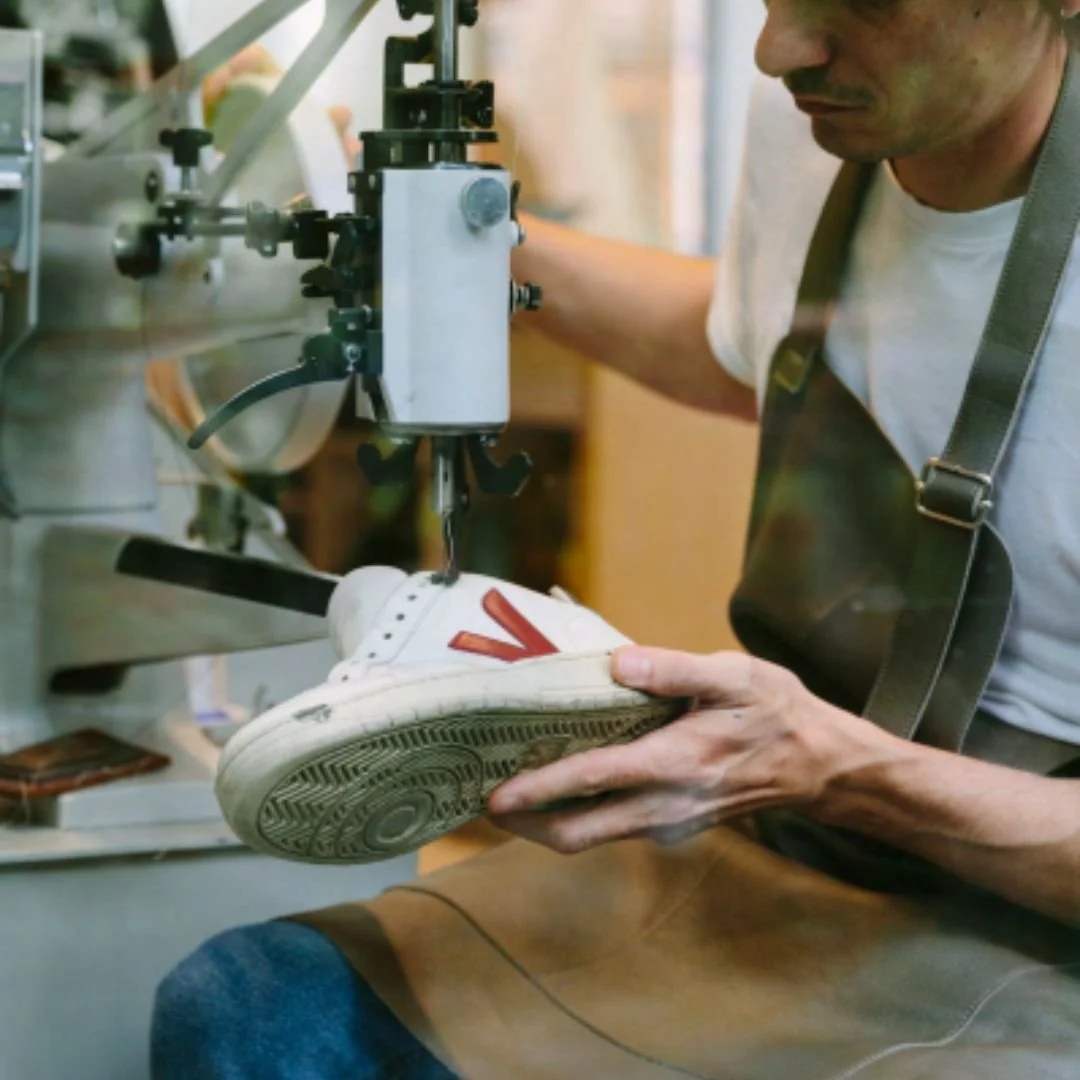
Consumers and regulators are pushing back on a culture of fast replacement. Repair, resale, materials traceability, and lifecycle transparency are now purchase drivers, not just PR lines. Veja, for example, foregrounds repair and long-term use as central to its sustainability story. The Guardian+1Commerce that balances direct relationships and scale partnerships
The DTC store boom has cooled for many brands. Retail footprints are being rethought, and wholesale or curated retail partnerships are being used strategically to reach new customers without the fixed costs of stores. Parachute’s recent pullback from a large store fleet to focus on profitable DTC plus targeted wholesale partnerships is a good case in point. Business Insider+1Community as a distribution channel
Brands relaunching around member-first models and micro-communities are finding higher retention and lower acquisition costs. Outdoor Voices’ recent community-focused relaunch signals how community platforms and limited drops can revive brand energy and drive dedicated repeat buyers. Glossy+1Operational credibility beats performative sustainability
Consumers can spot greenwashing. Leading brands back sustainability claims with traceable supply chains, measurable impact, and factory or materials investments. Rothy’s vertical production model and emphasis on measurable waste reduction illustrate how operations become a brand differentiator. Rothy’s+1Zero party data and trust-forward personalization
With privacy rules and cookie erosion, the brands that win will be those that ask for and earn the right to first party data. Offer value in exchange for preferences, and use that data to personalize service rather than to surveil.
Specific marketing uses and tactics for these trends
Product permanence
• Brands could build a clear repair and resale program. Promote it on product pages and in post-purchase flows.
• Publish material passports or sourcing stories that are easy to understand and verifiable.
Channel clarity
• Don’t treat every channel as equal. Test wholesale partnerships in non-core markets before building stores. Use retail as customer acquisition, not a vanity metric.
• Treat pop-ups and residency retail as marketing activations rather than permanent commitments.
Community-first marketing
• Create a low-friction membership or ambassador program that rewards repeat behavior. Use limited product runs and member-only experiences to create urgency without ad spend.
• Seed community with micro-events, creator collaborations, and utility content rather than pushing discount codes.

Operations as brand content
• Turn factory tours, supplier stories, and repair workflows into owned content. The content itself validates claims and compounds long term trust.
• Publish quarterly impact reports that are readable and short. They will out-perform vague sustainability pages.
Data and creative strategy
• Prioritize zero party data capture: preference selections, filtering, and post-purchase surveys that feed personalization.
• Lean into lightweight, episodic storytelling rather than one-off campaigns. A steady cadence of product use cases, customer profiles, and service explanations converts better than big single launches.
A few brands doing it right
Veja
Veja built credibility by prioritizing traceable materials and supporting repair and longevity as core to the product promise. The brand resists typical marketing sprays and instead focuses on transparency as a differentiator. Veja’s model shows how operations and purpose can be the hero of brand storytelling.
Rothy’s
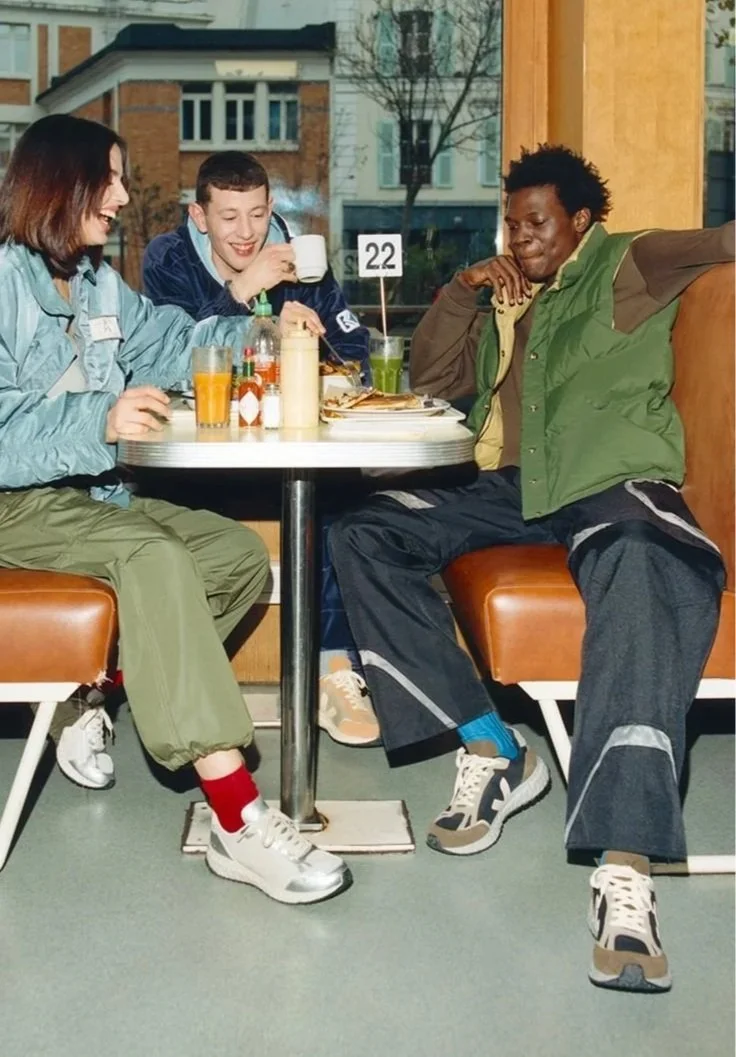
Rothy’s demonstrates the payoff of investing in vertically integrated, lower-waste manufacturing and turning that operational story into retail momentum. Their mix of retail and expanded DTC, plus visible sustainability claims tied to measurable outputs, helps sustain growth without compromising credibility.

Parachute
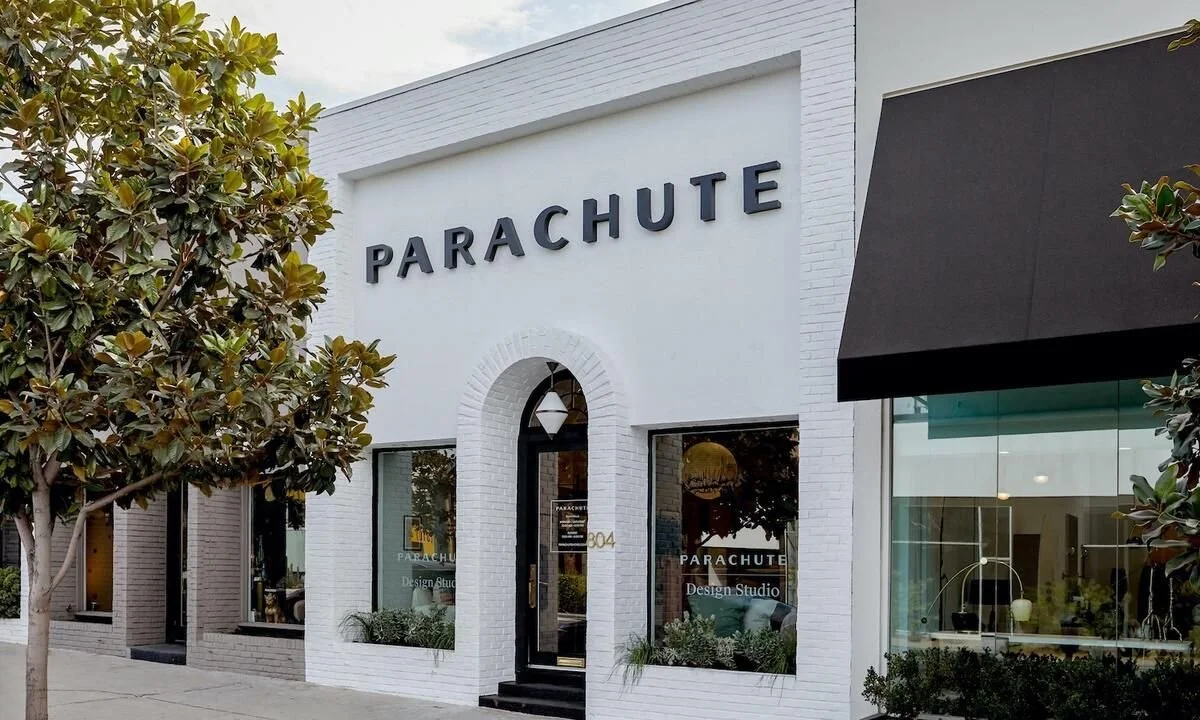
Parachute’s course correction from an aggressive brick and mortar expansion to a leaner DTC and wholesale mix illustrates a key lesson: scale the right channels, not every channel. Their shift to profitable fundamentals and selective retail partnerships shows how to balance brand control with margin discipline.
Outdoor Voices
Outdoor Voices’ relaunch with a community-first posture highlights another route. Re-centering a brand on members and limited drops can reignite affinity and create a disciplined way to monetize intensely loyal segments. Community platforms and tied rewards are a practical alternative to broad paid acquisition.

5 practical things a brand can do now to prepare for a breakthrough 2026
Launch one product permanence initiative in 90 days
Choose either repair, trade-in, or a certified resale program. Put the mechanics on every product page. Make it an explicit part of your pitch instead of an afterthought.Run a channel profitability audit this quarter
Map CAC, gross margin, and lifetime value by channel and by geography. Close or pause the least profitable distribution channels and pilot wholesale partnerships where you have no owned presence.Build a tiny membership trial
Start with a simple free or low-cost membership that offers early access, exclusive drops, and a local event. Use it to gather zero party data and test retention mechanics.Make operations your content calendar for 12 weeks
Film short pieces: a supplier interview, a repair demo, and a materials explainer. Publish them across product pages, email, and social. Real operations content reduces skepticism faster than high production ad work.Create a two page “trust passport” for your brand
Page one is a one minute read for customers: materials, origin, repair, and returns. Page two is a short measurable impact update for investors and press. Publish both and reference them in PR and product listings.
2026 favors brands that match belief with beams of proof. Consumers no longer want only a cool look or a clever ad. They want products that hold up and brands that behave accordingly. For small and midsize lifestyle brands, that is good news. You can out-differentiate bigger competitors by being nimbler at operations, smarter with channels, and more honest in your storytelling.
This shift represents one of the most significant changes in how small and mid-sized businesses need to think about marketing. It’s not enough to reward repeat purchases. Brands must now create experiences that make customers feel part of something bigger, something that adds value to their lives beyond the product itself.
Let’s talk about your brand and messaging. We love to collaborate to uncover new opportunities and increase clarity that leads to growth.
Reach out and set up some time to chat about your community and communications. Download a complimentary copy of our latest report.