From Transaction to Transformation: The Next Evolution in Brand Loyalty.
For decades, brand loyalty was built on repetition. If a customer liked your product, your job as a marketer was to keep them buying it through discounts, punch cards, or points. Loyalty was a transaction. But in today’s marketplace, the definition of loyalty is evolving. Consumers no longer stay loyal to brands simply because of habit or price. They want meaning, connection, and transformation.

This shift represents one of the most significant changes in how small and mid-sized businesses need to think about marketing. It’s not enough to reward repeat purchases. Brands must now create experiences that make customers feel part of something bigger, something that adds value to their lives beyond the product itself.
What Customers Actually Want Now
Customers are more selective with their time and trust. They are asking three implicit questions before committing to a brand relationship:
Does this brand align with my values?
Consumers increasingly expect the brands they buy from to reflect their beliefs. Sustainability, inclusivity, and ethical business practices are no longer differentiators, they are table stakes.Does this brand help me grow or improve?
People want brands that make their lives easier, healthier, or more fulfilling. They are looking for transformation, whether through knowledge, empowerment, or community.Does this brand see me as a person, not a number?
Personalization has moved beyond addressing someone by name in an email. It’s about understanding individual goals and tailoring experiences that feel genuinely relevant.
Brands Leading the Transformation
Several mid-sized brands are redefining loyalty by creating transformative experiences rather than transactional ones. Here are a few doing it particularly well:
1. Allbirds – Sustainability as Shared Purpose
Allbirds has built a community around environmental responsibility. Rather than relying on points or perks, it fosters loyalty by involving customers in its mission to reduce carbon emissions. From transparent reporting to encouraging sustainable lifestyle choices, Allbirds turns buyers into brand advocates who feel they are part of a collective movement.

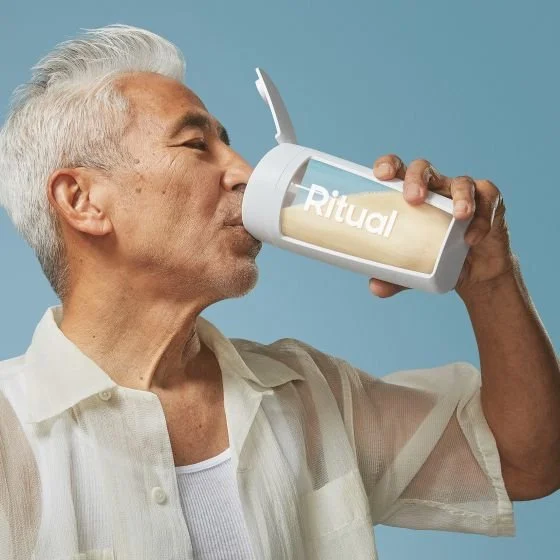
2. Ritual – Trust Through Transparency
Ritual, a vitamin and supplement company, has transformed a typically opaque industry through radical transparency. It shares detailed sourcing, ingredient origins, and third-party testing results. This openness builds long-term trust and encourages repeat purchases driven by confidence, not convenience.
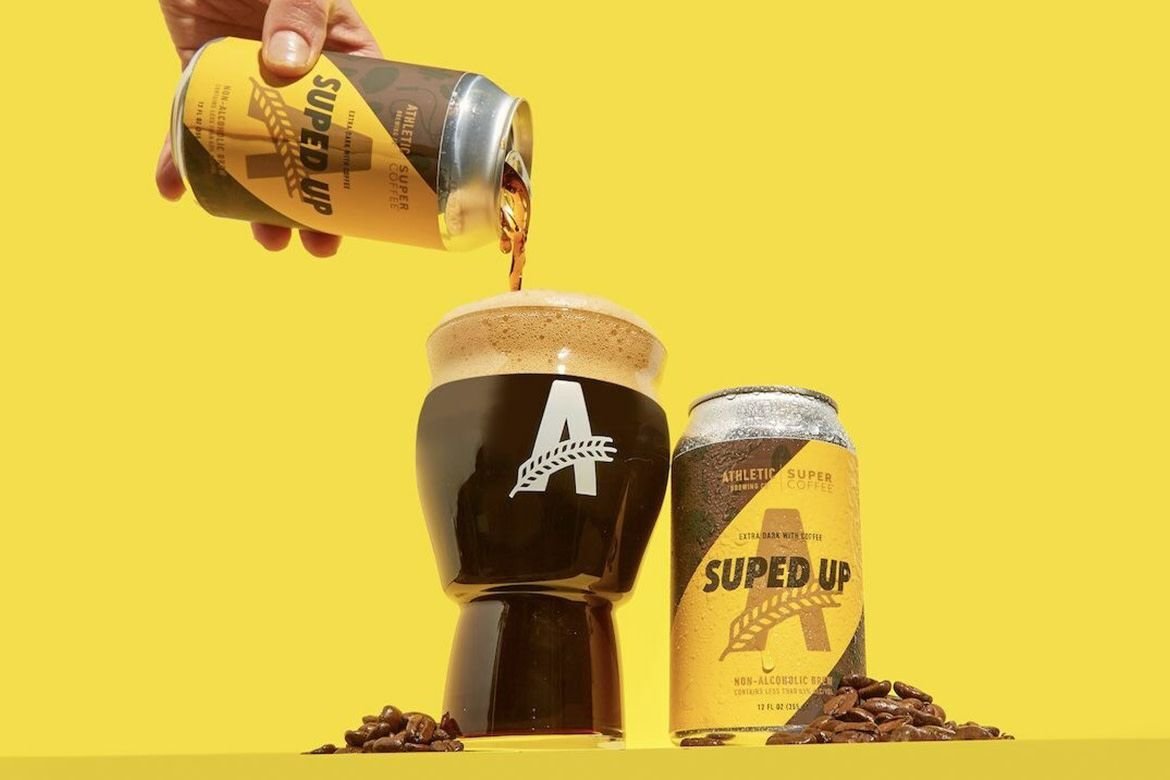
3. Athletic Brewing Co. – Lifestyle Integration
Athletic Brewing has created a movement around mindful drinking. By offering high-quality non-alcoholic craft beer, it taps into a growing desire for balance and wellness without sacrificing social enjoyment. Through community events, fitness partnerships, and authentic storytelling, it has built an engaged following that sees the brand as a lifestyle ally.
4. Parachute Home – Connection Through Comfort
Parachute Home focuses on creating emotional connection through everyday rituals. It frames its products not just as bedding or home goods but as part of a larger story about rest, care, and comfort. Its loyalty program and brand storytelling emphasize belonging, not just buying.

5. Oura – Empowerment Through Data
Oura, known for its health tracking ring, empowers customers with personalized insights that improve their daily lives. Its approach to loyalty comes from helping users achieve tangible results in their wellness journeys. The brand becomes a trusted partner in personal transformation.

The Forces Behind the Shift in the Customer Psyche
The transformation of customer loyalty did not happen overnight. It’s the result of years of cultural, economic, and technological shifts that have fundamentally changed what people value and how they make decisions. Understanding these macro factors is key to adapting brand strategy for the next era of marketing.
1. The Power of Choice and Digital Transparency
The internet has leveled the playing field. Consumers have access to more information, more options, and more reviews than ever before. This abundance has eroded the power of traditional loyalty mechanisms. When a comparable product is a click away, customers need more than convenience to stay committed.
Transparency has also shifted expectations. Shoppers can now uncover everything from supply chains to executive salaries with a quick search. This access has made honesty and authenticity the new currency of trust. Brands that try to hide behind polished marketing lose credibility, while those that communicate openly win loyalty through integrity.
2. The Value Recalibration After Global Disruptions
The pandemic profoundly changed how people think about consumption. As daily life slowed, individuals began to reassess what mattered most, health, family, community, and purpose. This introspection extended into buying behavior. Consumers started prioritizing brands that aligned with their redefined values and contributed positively to their well-bein.
Even post-pandemic, this mindset has endured. People now expect the brands they buy from to contribute meaningfully to their lives and the world around them. Loyalty has become emotional, not transactional.
3. The Influence of the Experience Economy
Customers are increasingly drawn to experiences that enrich rather than possessions that accumulate. This shift toward the “experience economy” has elevated expectations for brand engagement. Whether it’s digital storytelling, interactive events, or personalized customer journeys, brands must now deliver experiences that evoke emotion and create lasting memories.
Mid-sized companies can excel here. Their size often allows for more agility and creativity, enabling them to design thoughtful, community-oriented experiences that larger corporations struggle to execute authentically.
4. The Generational Impact
Millennials and Gen Z are driving this evolution. These generations have grown up in a hyper-connected world where brand interactions happen across digital and physical spaces simultaneously. They value brands that demonstrate empathy, take social stands, and offer genuine value. They are also less tolerant of empty promises.
For these consumers, loyalty must be earned through consistent actions that reflect shared values. They are not just buying a product, they are joining a story.
5. The Role of Technology and Data Personalization
Technology has made personalization possible at scale. However, consumers have become wary of brands that use data purely for conversion rather than connection. The challenge now is to use insights responsibly, to tailor experiences that feel meaningful without crossing into manipulation.
Brands like Oura and Ritual succeed because they use data to empower users, not exploit them. They demonstrate that technology, when used ethically, can strengthen trust and deepen loyalty.
4 Ways Mid-Sized Businesses Can Apply This Thinking
Transformation based loyalty is not reserved for global corporations. Mid-sized businesses have an advantage, they can build deeper, more human relationships with customers. Here’s how:
Lead with purpose. Define and communicate a clear reason for being that resonates emotionally with your audience.
Design for growth. Think beyond the purchase. What can your brand teach, inspire, or enable customers to do better?
Personalize authentically. Use data and dialogue to create experiences that reflect individual aspirations, not just demographics.
Build community. Facilitate spaces where customers connect with each other, not just with your brand.
The future of loyalty belongs to brands that transform customer relationships from simple transactions into shared journeys. When customers feel seen, supported, and inspired, loyalty is no longer something you have to buy, it’s something you earn.
At littleMUCHO, we help brands reimagine how they connect, communicate, and create lasting loyalty in this new landscape. If your business is ready to move beyond transactions and toward transformation, it’s time to start the conversation.
Let’s talk about your brand and messaging. We love to collaborate to uncover new opportunities and increase clarity.
Reach out and set up some time to chat about your community and communications. Download a complimentary copy of our latest report.