
What earned media looks like when you have built a genuine community.
Press coverage is not the beginning of reputation. It is the confirmation of reputation that already exists somewhere a journalist can hear it. The brands that get written about are the brands already being talked about, and the pitch, when it finally goes out, is mostly paperwork.
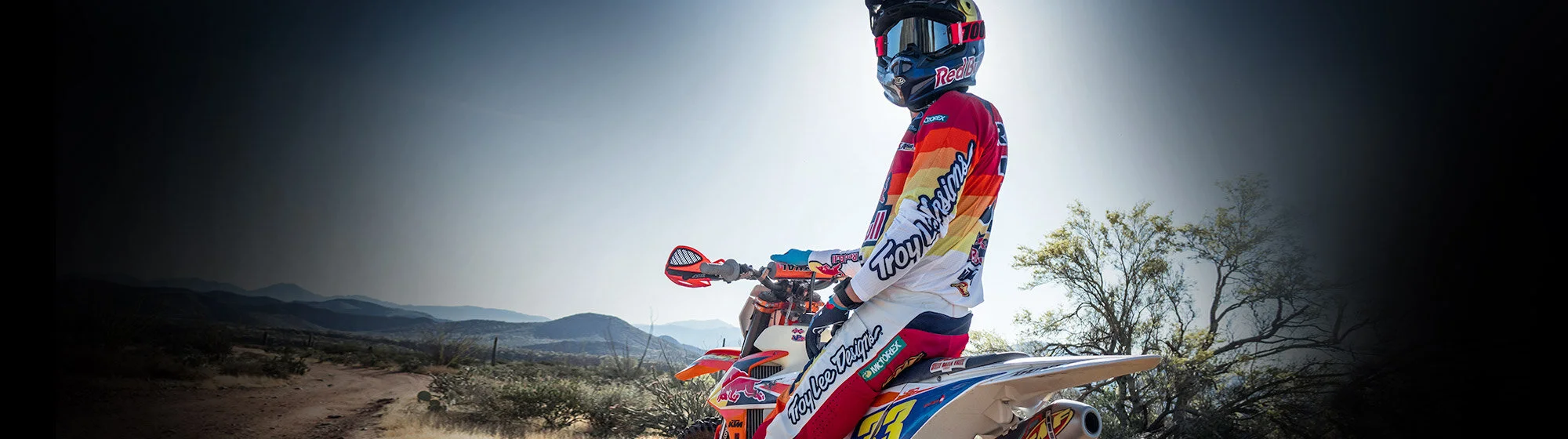
A helmet took about two weeks. You boxed yours up, shipped it to a garage in Laguna Beach, and waited while Troy Lee laid down the paint by hand. No catalog of stock designs. You told him what you wanted, or you trusted him, and what came back was one of a kind. This was the early eighties. The customers were motocross riders, mostly young, mostly broke, and they were paying real money for paint on a helmet they were going to crash in. What happened next was not a marketing decision. Photographers stood in the pits at Carlsbad and Saddleback shooting riders, and the riders were wearing those helmets, and the helmets photographed like nothing else on the line. The images ran in Cycle News and Motocross Action. Kids pinned them to bedroom walls and then asked their fathers for the same thing. A magazine editor eventually called to ask about the painter. By then the answer was already public knowledge in every paddock in Southern California. That sequence is the whole argument. Press coverage is not the beginning of reputation. It is the confirmation of reputation that already exists somewhere a journalist can hear it. The brands that get written about are the brands already being talked about, and the pitch, when it finally goes out, is mostly paperwork. I spent some time at Troy Lee Designs, and one thing that always stood out is how little of it involved asking anyone for anything. We didn’t always pay a rider to wear the gear in the pits. Most wore it because the product held up and because the crew treated them like people they would see again, not like line items on an activation budget. A rider who messed something up, got it handled. A rider who needed a set before a weekend got a set before the weekend. This is unglamorous, expensive in small increments, and impossible to put in a slide. It also produced a standing population of people who said the name out loud in public, for free, for decades. The brand still trades on that. Forty years of paddock conversation does not depreciate. The mechanism underneath it, and it is simpler than the communications industry lets on. Earned media requires a witness. A journalist cannot write that a brand matters. A journalist can write that people who would know say it matters, and then quote them. Every piece of genuine coverage you have ever admired is built on the back of somebody outside the company who was willing to be on the record. A community is nothing more exotic than a standing population of those witnesses, people with a reason to say your name where someone else can hear it, and no reason to stop. 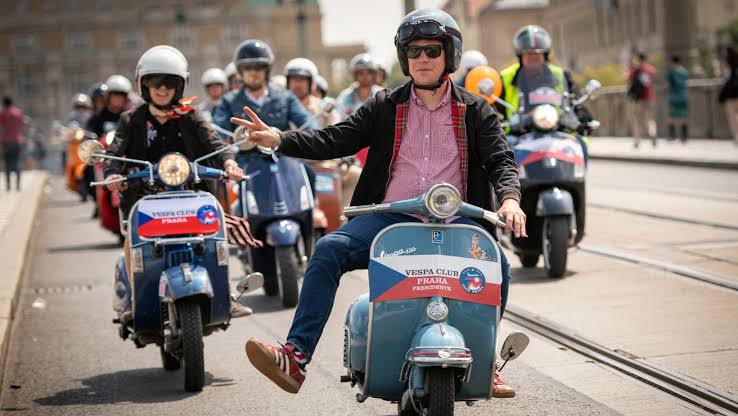 Which is why community-built brands generate coverage on a schedule nobody set. Vespa has rarely needed to explain itself to the press because the clubs explain it. The product explains itself. There are ride-outs and rallies and seventy-five years of owners who can tell you what year their frame is from and why it matters. A reporter working on a piece about scooters does not have to be convinced. The reporter has to be introduced to three people who will not shut up about it. At Bob’s, we did the same thing in a market that had no reason to trust anyone, Bob’s published actual transaction prices for used Rolex, which made the site useful to collectors before it was interesting to editors, and collectors talked about it on forums for years. Then the financial press started calling, because a company that publishes the number becomes the place you call when you need the number. That is not a media relations achievement. That is a product decision that happened to produce witnesses. Certainly paid and pitched coverage works. It is faster. It is predictable. A competent agency with a budget and a deadline can place a story for a brand that has no community whatsoever, and the coverage report will look identical to the coverage report of a brand with forty years of goodwill. The clip is the clip. This is exactly why so many companies choose it, and it would be dishonest to pretend they are behaving irrationally. If you need volume by the end of the quarter, community will not save you. Nothing about it moves fast. The difference shows up later, and it shows up as a question of what happens when the money stops or the story turns. 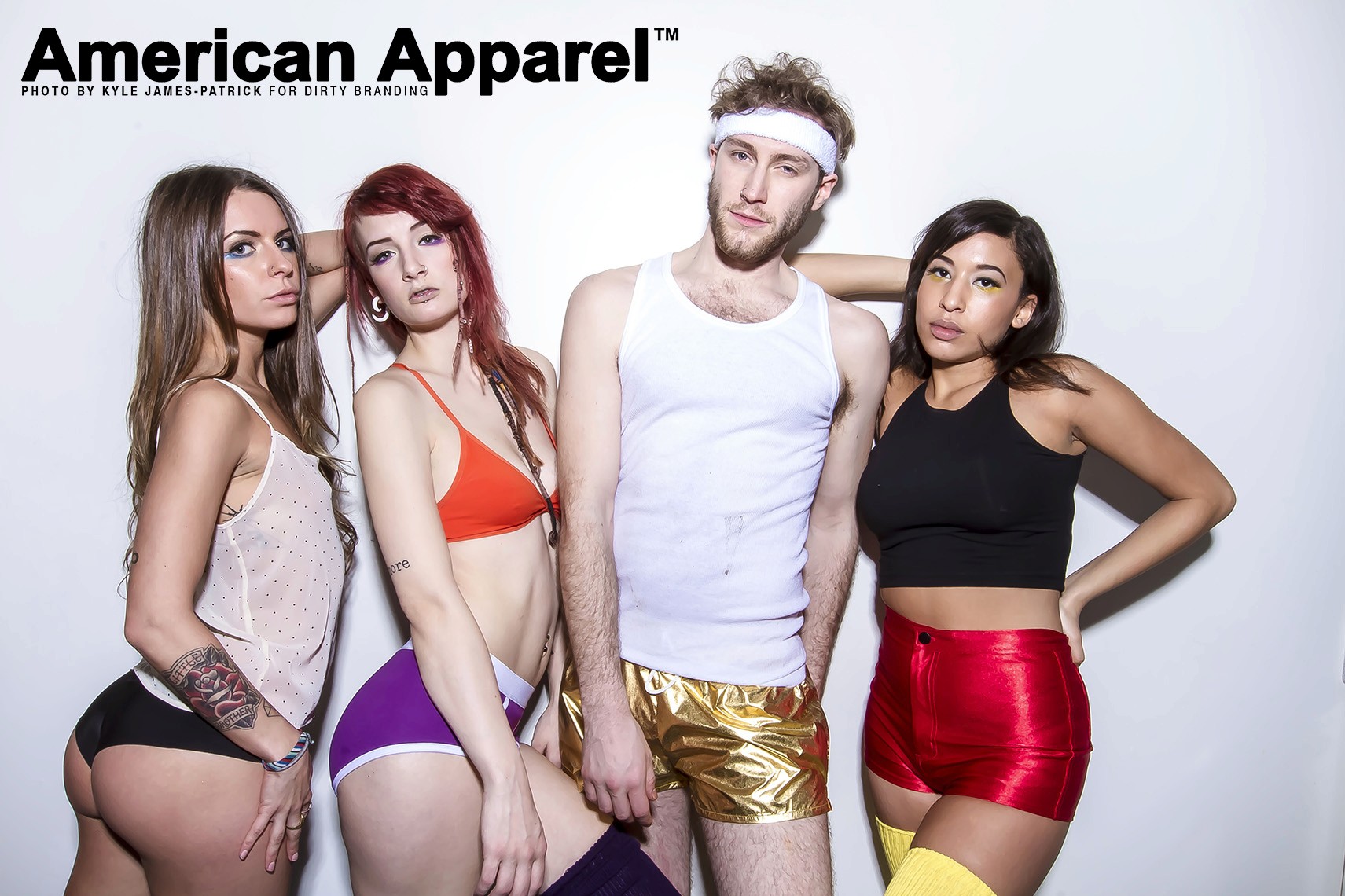 American Apparel had enormous press volume. For most of a decade, the brand was in the magazines constantly, and the coverage was real: the downtown Los Angeles factory, the sewn-in-America economics, the advertising. But look at who the witnesses were. The coverage was about the founder and about the ads. It was rarely about the customers, because the customers were buying a good cotton t-shirt and did not have much to say about it beyond that. So when the story turned, and it turned hard, there was no third party willing to go on the record for the brand. The press had covered a company. It had never covered a community, because there was not mucho of one to cover. I saw the commercial version of this at 160over90. We worked with universities and sports properties and consumer brands, and the pattern held across all of it. The engagements that kept producing results years after the contract ended were the ones where we had built community architecture rather than messaging architecture. The distinction is worth sitting with. Messaging architecture gives people something to repeat. Community architecture gives people a reason to gather. One of those requires constant reinforcement to survive. The other reinforces itself, because people who gather talk, and talk is what a journalist is looking for. At a certain point, reporters started calling us rather than the reverse, and that was not a function of our media list. It was a function of the fact that our clients’ people were already making noise. The cost of this is real, and I will not soften it. Community cannot be purchased at the moment you need it. It is slow, it resists measurement, it requires you to do things for individual people that will never appear in a report, and it demands years before it returns anything. Which is the entire argument for starting before you need it. The brand that begins building witnesses at the moment it needs coverage has already lost the only advantage it had, which was time. So here is the test, and you can run it this afternoon without a consultant. If you stopped paying tomorrow, name the people who would still be talking about you. Not the followers. The people. Then ask whether a journalist, working alone and without your help, could find them. |
006 — Let's Talk
Every inquiry gets a personal reply. If there’s a fit, I schedule a 15-minute discovery call, no strings attached. hola@littlemucho.com
